
Heavy Bleeding With Contractions: Do Not Wait On Timing



Heavy bleeding with contractions is a medical emergency that requires immediate contact with your provider or emergency services. MedlinePlus advises urgent medical contact for vaginal bleeding in late pregnancy, especially when it occurs with abdominal pain, cramping, or contractions (Medlineplus guidance). Do not keep timing contractions to “see if they get closer.”
Bleeding that soaks a pad in one to two hours, looks bright red, or includes clots the size of a quarter or larger alongside contractions can signal placental abruption, placenta previa, or uterine rupture. Stop timing, note what you see, and call for help now.
Definition: Heavy bleeding with contractions is vaginal blood flow that soaks through a pad in one to two hours or produces quarter-sized clots while labor-like tightening or cramping is present, and it is considered abnormal at any gestational age.
TL;DR
- Heavy bleeding with contractions is never normal labor progression and requires urgent medical contact.
- A contraction timer tracks patterns but cannot assess bleeding severity. Stop timing and act when heavy bleeding starts.
- Soaking a pad in 1-2 hours, bright red blood, or quarter-sized clots with contractions means call your provider or emergency services immediately.
What Heavy Bleeding With Contractions Means
Heavy bleeding with contractions means pad-soaking blood flow or quarter-sized clots are happening at the same time as labor-like tightening, cramping, or rhythmic uterine pain. Clinical triage guidance commonly treats pad-soaking bleeding, bright-red flow, or clots as urgent warning signs; ACOG also advises contacting an ob-gyn for bleeding at any point in pregnancy and seeking urgent care for heavy bleeding or bleeding with pain (ACOG labor guidance).
That is different from bloody show. Bloody show is usually a small amount of pink, red, or brown discharge mixed with mucus. It may appear when the cervix changes near labor, but it should not soak pads.
The pad tells you more than the timer here.
This combination is a red-flag symptom at any gestational age because bleeding can come from the placenta, cervix, uterus, or another source that needs urgent assessment. Clinicians typically recommend immediate contact for heavy bleeding in pregnancy, especially when it occurs with pain or contractions.
5 Facts About Bleeding During Contractions
- Heavy bleeding with contractions can signal placental abruption, placenta previa, or uterine rupture. These are not “watch and wait” situations at home.
- Preterm contractions plus bleeding before 37 weeks need immediate evaluation. If this is happening early, read more about preterm contractions before 37 weeks, but call first if bleeding is heavy.
- Bloody show is light and mucus-based. Heavy flow, bright red bleeding, or clots are not typical bloody show.
- Baby movement does not rule out danger. A baby may still move early in a serious event, including abruption.
- Contraction timers track patterns, not bleeding severity. A neat log of contractions every five minutes cannot measure pad saturation, clot size, dizziness, pain level, or fetal wellbeing.
Regular numbers can feel calming. They can also distract you.
Placental Abruption and Placenta Previa During Contractions
Placental abruption happens when the placenta separates from the uterine wall before birth. That separation can cause bleeding, abdominal pain, uterine tenderness, and contractions. Merck Manual reports that placental abruption occurs in about 1% of pregnancies and can cause dangerous third-trimester bleeding (Merckmanuals guidance).
Contractions may worsen bleeding because the uterus is squeezing while part of the placenta is already disrupted. The bleeding may be visible, or some blood may remain hidden inside the uterus. That is why the amount seen on a pad may not show the full problem.
Placenta previa is different. The placenta lies low and covers or nears the cervix. It can cause painless bleeding, but contractions or cervical change can also be present. StatPearls describes placenta previa as affecting about 1 in 200 third-trimester pregnancies (published labor research).
Mild symptoms can become serious quickly. A warm bath beside a paused timer is not the next step when bleeding is heavy.
Why a Contraction Timer Cannot Assess Bleeding Severity
A contraction timer measures start time, stop time, duration, and spacing. It does not measure blood volume, blood color, clot size, dizziness, pain severity, or fetal status.
Regular contraction patterns do not mean everything is safe if bleeding is present. A timer can show contractions every four minutes and still miss the thing that matters most: blood soaking through a pad. Good contraction timer apps deliver clean timing records, not emergency diagnosis.
Tools like ContractionTimer.io can help you review the log later, but the app should not keep you staring at intervals during heavy bleeding. The screen brightness can be lowered for night timing, the partner can swap hands mid-contraction, and the data can still be the wrong focus.
If bleeding is heavy, stop timing and call.
Bloody Show Versus Heavy Bleeding With Contractions
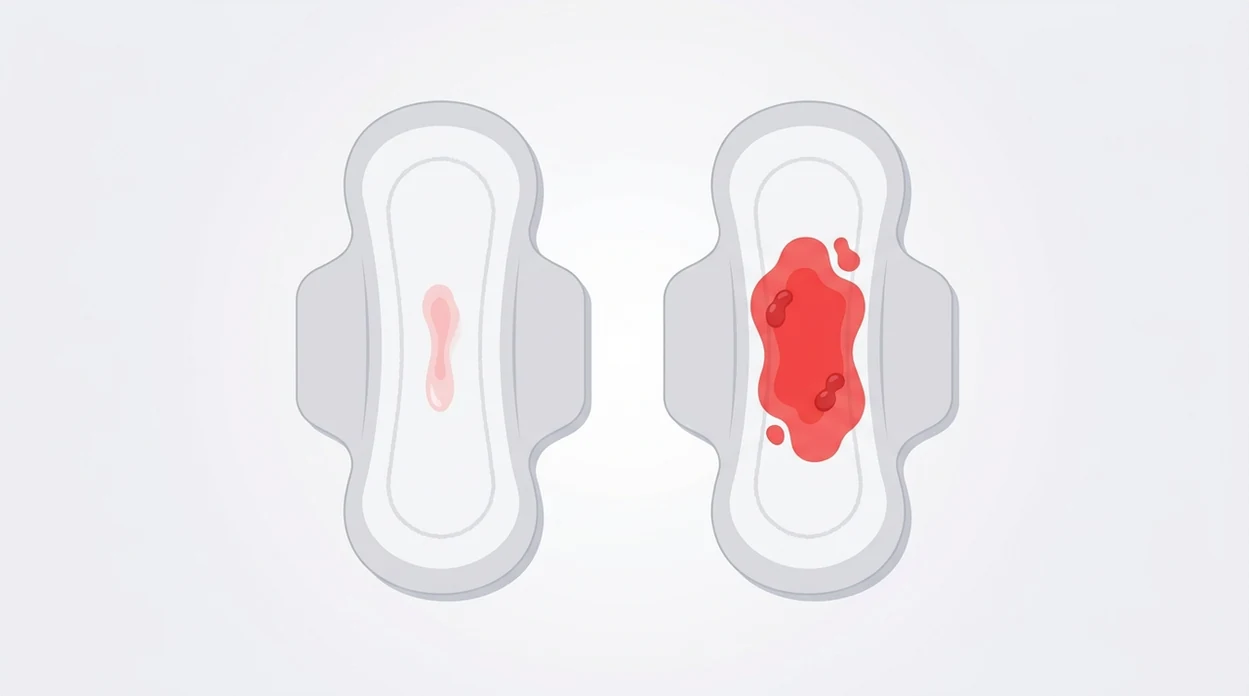
Bloody show is usually light, mucus-based discharge. Heavy bleeding is flowing blood, pad saturation, or clots, and it needs urgent medical contact.
| Sign | Bloody show | Heavy bleeding with contractions |
|---|---|---|
| Color | Pink, brown, or streaked red | Bright red or ongoing red flow |
| Texture | Mixed with mucus | Liquid blood, clots, or both |
| Amount | Small smear or light discharge | Soaks a pad in 1-2 hours |
| Clot size | None or tiny specks | Quarter-sized clots or larger |
| Action | Call if unsure or if instructed | Call provider or emergency services now |
When in doubt, choose care over interpretation. It is better to be told “come in and we’ll check” than to keep timing at home while bleeding increases.
For related timing uncertainty, the guide on can contraction timer tell if labor explains why pattern data cannot confirm safety.
Common Myths About Bleeding During Contractions
Myth: Heavy bleeding just means labor is moving faster.
Heavy bleeding is not a normal speed-up sign. It can point to placental abruption, placenta previa, uterine rupture, or another urgent condition.
Myth: Regular contractions on a timer mean I’m safe despite bleeding.
A regular pattern only shows timing. It does not clear the placenta, uterus, cervix, or baby.
Myth: All late-pregnancy bleeding is bloody show.
Bloody show is usually light and mucus-like. Heavy flow, bright red blood, or quarter-sized clots do not fit that pattern.
Myth: Baby still moving means heavy bleeding is not dangerous.
Fetal movement is reassuring in some situations, but it does not rule out abruption or bleeding emergencies. If movement is reduced, the concern is even higher; the separate guide on decreased fetal movement while tracking contractions covers that scenario.
What to Do Right Now: Stop Timing and Start Acting
Use this sequence if heavy bleeding starts with contractions.
- Stop timing contractions on your app. Put the phone down if the timer is keeping you from acting.
- Note pad saturation, blood color, and clot size. Say it plainly: “bright red,” “one pad in an hour,” or “quarter-sized clot.”
- Call your provider or emergency services immediately. Use speakerphone if your partner is helping.
- Lie on your left side and avoid inserting anything vaginally. Do not use tampons, have sex, or check your cervix at home.
- Bring your timing log for context, but do not delay leaving. The log can help later; it should not decide whether you go.
A hospital triage voice on speakerphone changes the room fast. Say the bleeding details first, then mention contractions.
Safety Boundaries for Contraction Timer Guidance
This page uses only medical statistics that can be tied to verified obstetric references available during writing. It should be checked against current obstetric guidance before publication and updated when guidance changes.
Contraction Timer guidance will never recommend using a timer as a substitute for medical judgment. The app can help record contraction duration and frequency, but it cannot decide whether bleeding is safe.
ContractionTimer.io encourages users to contact their provider at any sign of heavy bleeding. That is the safe boundary. The ContractionTimer.io contraction timer app may help you export the timing record after you have called, especially if your partner needs to read times clearly instead of scrolling in panic.
The full safety position is covered in the contraction timer medical disclaimer.
Scope Boundaries for Pregnancy Bleeding Topics
This guide cannot diagnose the cause of bleeding. Only a clinician can assess you, the baby, the placenta, your cervix, and your full medical history.
It also does not address first-trimester bleeding or miscarriage specifically. The timing, causes, and recommended workup can be different earlier in pregnancy.
High-risk pregnancies need individualized instructions. Prior C-section, placenta previa, suspected placenta accreta, clotting disorders, high blood pressure, trauma, or a history of abruption all change the safety plan.
This page also does not cover postpartum hemorrhage. Bleeding after birth is a separate emergency topic with different thresholds and treatment steps.
No app note should outrank your care team’s instructions.
Medical Sources and Review Process
This page is built from established obstetric sources and reviewed for safety before it goes live or changes. Core references include ACOG, MedlinePlus, Merck Manual, and StatPearls, with emphasis on clear triage language over reassurance.
Medical review should be completed by a qualified pregnancy-care clinician, such as an ob-gyn, certified nurse-midwife, or other licensed clinician with obstetric triage experience. The review checks that warning signs are not softened, that app guidance stays in its lane, and that emergency thresholds are described as triage cues. A triage cue means “this needs prompt clinical assessment,” not “this is the diagnosis.”
The update process follows a simple path:
- Check the core sources for changes in bleeding, placenta, or labor guidance.
- Review any new obstetric guidance that changes emergency wording or thresholds.
- Revise the page when a cited source changes, becomes unavailable, or is replaced by stronger guidance.
- Confirm that the final wording still tells users to follow their provider’s instructions first.
If your provider, midwife, hospital, or emergency dispatcher gives different instructions, follow them every time.
Limitations
- No app can diagnose the cause or severity of bleeding with contractions.
- Visual estimates are imprecise. Pads per hour and clot size help, but they are not exact measurements.
- Some serious causes begin with mild symptoms. Waiting to see if bleeding gets worse is risky.
- Online guidance cannot replace individualized advice for prior C-sections, known placenta issues, clotting disorders, trauma, or high-risk pregnancy.
- Placental abruption can progress rapidly even with prompt care. Good self-monitoring cannot guarantee outcomes.
- Contraction regularity on a timer does not correlate with bleeding safety.
- A cracked screen protector, 12% battery, Face ID failing in a dark room, or a charger across the room can slow app use. None of that should slow the call for help.
- ContractionTimer.io is a tracking tool, not a medical device.
Frequently Asked Questions
Why am I bleeding and having contractions?
Possible causes include cervical change, preterm labor, placental abruption, placenta previa, or uterine rupture. Heavy bleeding with contractions needs urgent clinical assessment.
Is bright red bleeding during labor normal?
Light mucus-streaked bloody show can be normal near labor. Bright red heavy bleeding or pad-soaking flow is abnormal and needs urgent contact.
Should I time contractions while bleeding?
No. Stop timing and contact your provider or emergency services first.
How much bleeding is too much during contractions?
Bleeding that soaks a pad in 1-2 hours or includes quarter-sized clots is too much. Call for help immediately.
Can bloody show cause heavy bleeding?
True bloody show is light and mixed with mucus. It should not cause heavy flow or large clots.
Does baby movement mean bleeding is safe?
No. Fetal movement does not rule out abruption or another emergency.
How long after bloody show does labor start?
Labor may start within hours, days, or longer after bloody show. Heavy bleeding is different and should be treated as urgent.
When should I call 911 for bleeding with contractions?
Call 911 for pad-soaking bleeding, quarter-sized clots, dizziness, severe pain, fainting, or reduced fetal movement. Call sooner if you cannot reach your provider.
Can heavy bleeding with contractions be a sign of preterm labor?
Heavy bleeding with contractions before 37 weeks requires urgent medical assessment, but it may involve preterm labor, a placental complication, or another cause that cannot be identified at home. Contact labor and delivery or emergency services now, especially with pain, weakness, dizziness, fluid leakage, or reduced fetal movement.
What to Tell Labor and Delivery About Heavy Bleeding and Contractions
When you call, begin with the urgent facts: “I am pregnant, I am having contractions, and I have heavy vaginal bleeding.” State how many weeks pregnant you are, when the bleeding began, whether the blood is bright red or dark, and whether it is flowing continuously, soaking pads, or accompanied by clots. Also report severe or constant abdominal pain, dizziness, faintness, shortness of breath, fluid leakage, and any noticeable decrease in your baby’s usual movement.
Tell the clinician or emergency dispatcher your location, whether someone is with you, and whether you have been told you have placenta previa, a low-lying placenta, placental problems, or an Rh-negative blood type. Give contraction timing only if it is already available or requested; do not delay the call to collect it. Follow instructions about transport. If you feel faint, weak, confused, or unsafe to travel, call emergency services rather than driving yourself. Avoid inserting anything into the vagina while awaiting assessment.
Heavy vaginal bleeding with contractions requires immediate assessment. Call maternity triage, your midwife, or emergency services now - do not wait for a contraction pattern.
NHS labor guidance treats vaginal bleeding as urgent, even when contractions are irregular. Call emergency services for rapid bleeding, dizziness, fainting, breathing difficulty, or a racing heartbeat.
| Sourced warning threshold | Source |
|---|---|
| Soaking a pad in under 1 hour | London Ambulance Service |
| Any bleeding at 28-40 weeks | Mayo Clinic |
| 2 pads per hour for over 1-2 hours after birth | ACOG |