
Active Labor Timeline: Contraction Patterns, Duration, and When to Trust Clinical Assessment




The active labor timeline typically spans 4-8 hours, beginning when the cervix reaches about 4-6 cm dilation and ending at 10 cm, with contractions arriving every 2-5 minutes and lasting 45-90 seconds each. For medical context, ACOG notes that active labor is now generally considered to begin around 6 cm rather than by a rigid earlier cutoff, and that labor progress varies widely (ACOG: How to Tell When Labor Begins). However, normal active labor can be significantly shorter or longer, and only a clinician, not a contraction timer app alone, can confirm you're truly in active labor through cervical exams and fetal monitoring.
Definition: Active labor is the phase of the first stage of labor when the cervix dilates from approximately 4-6 cm to a full 10 cm, characterized by strong, regular contractions that increase in frequency, duration, and intensity over time.
TL;DR
- Active labor usually lasts 4-8 hours with contractions every 2-5 minutes, each lasting 45-90 seconds.
- Modern research has replaced the rigid “1 cm per hour” rule with more flexible labor progress expectations.
- A contraction timer app tracks patterns, but only a clinical exam confirms active labor and rules out complications.
What Defines the Active Labor Timeline
Active labor is the part of first-stage labor when the cervix opens from about 4-6 cm to 10 cm, and contractions become strong, regular, and harder to talk through. It sits after early labor and before transition, though the edges are not always clean in real life.
Early labor can include contractions that start, stop, and stretch far apart. Transition is the intense end of first stage, usually around 8-10 cm, when contractions may feel almost stacked together. The full first stage, early plus active labor, commonly lasts about 12-19 hours in Cleveland Clinic patient guidance: Cleveland Clinic labor and delivery guidance
Active labor itself often runs 4-8 hours. Some people move much faster. Others progress slowly and still remain within normal clinical expectations.
The chart never feels like the room.
For a broader view of how timing changes from first contractions through birth, the full contraction timeline helps place active labor in context.
Five Facts About Active Labor Contractions and Duration
- Active labor contractions usually come every 2-5 minutes. Each contraction often lasts 45-90 seconds, measured from the first tightening to the full release.
- The active labor timeline often lasts 4-8 hours. That range is a useful planning estimate, not a promise, because labor can speed up or slow down without warning.
- The older “1 cm per hour” rule is no longer treated as fixed. Zhang et al. showed that normal first-time labor can progress more slowly, which helped support updated labor curves Zhang et al. on labor curves.
- For first-time births, total labor commonly lasts 12-18 hours. ACOG describes this as total labor, not just active labor, so don't compare that number to the active phase alone.
- Only clinical assessment confirms active labor. A timer can show active labor contractions, but it cannot measure dilation, effacement, fetal response, or station.
A good log gives your team times, not a diagnosis.
How Active Labor Contraction Patterns Progress
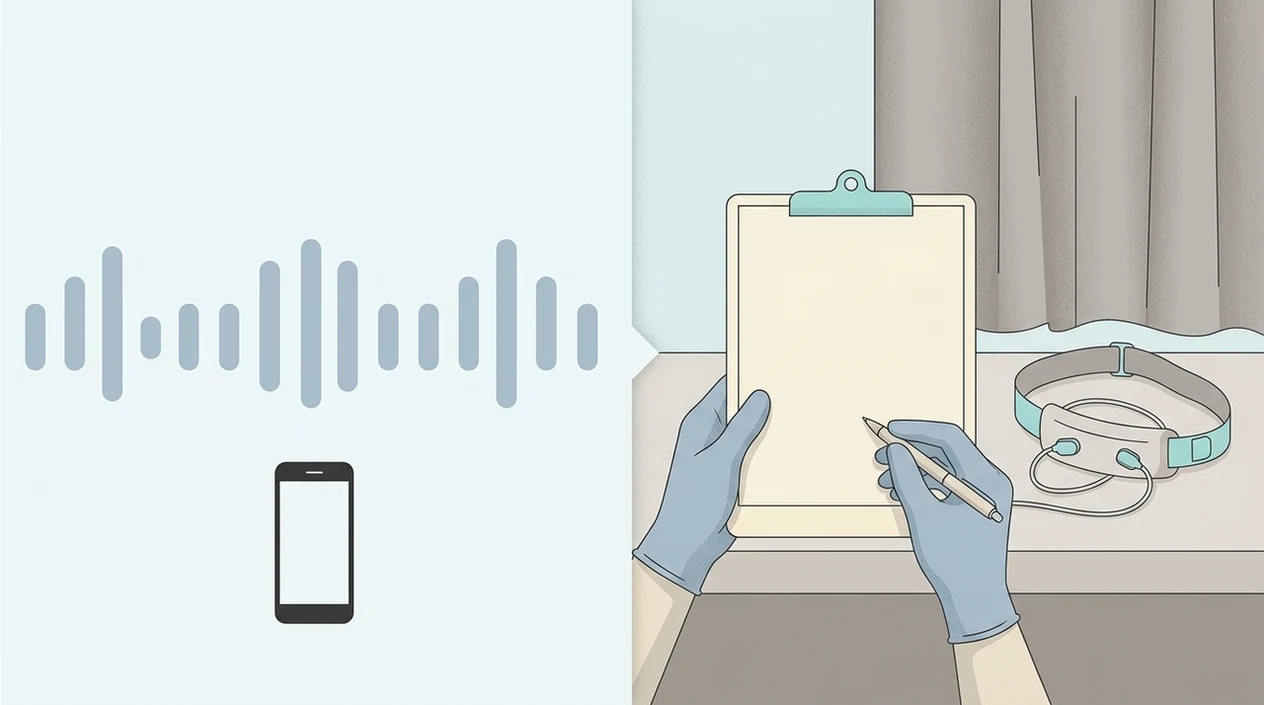
Active labor contraction patterns progress because the uterus becomes more coordinated over time. The muscle fibers tighten from the top of the uterus downward, building pressure that helps the cervix thin and open.
As labor hormones rise, especially oxytocin and prostaglandins, contractions often become longer, stronger, and closer together. That is a feedback loop. More pressure on the cervix can lead to more hormone release, which can lead to stronger contractions. In plain language, the body may start pushing the pattern forward.
Older teaching often used about 1 cm per hour as a rough active labor average. Mayo Clinic still describes dilation around that rate for many people, but contemporary data show slower progress can also be normal. Clinicians typically recommend judging labor progress with cervical change, contraction strength, fetal status, and the full clinical picture.
This is why a single dilation number should not be read like a countdown clock. Updated labor research supports using cervical change over time, contraction adequacy, fetal status, and maternal condition together rather than applying one fixed hourly rule.
One person’s pattern may climb steadily. Another may have a long pause after three hard contractions, then pick up again. The phone can record that pause. It can’t explain it.
How to Track Active Labor Contractions With a Timer App
Use a contraction timer to record start time, stop time, duration, and spacing. The goal is to create a clear timing record your provider can understand quickly, not to stare at every number between contractions.
- Tap Start when the contraction begins. Start at the first tightening, not the pain peak.
- Tap Stop when the contraction fully ends. If your partner is holding a water bottle and timing from the edge of the bed, say “stop” out loud.
- Review the interval between contraction starts. Frequency is measured start-to-start, not end-to-start.
- Watch for the pattern your provider gave you. Many use 5-1-1, while some recommend 4-1-1 or a different threshold.
- Share the contraction log when you call or arrive. Bring screenshots, a History view, or an exported timing record so triage does not have to scroll through your phone in a rush.
Tools like ContractionTimer.io can help keep the screen simple during one-handed use. Good contraction timer apps deliver clear timing records, not clinical confirmation of labor stage.
Before You Start Timing Active Labor Contractions
Before you start timing active labor contractions, know what you are timing for and when timing no longer matters. A little setup before contractions become intense can make the log calmer and more useful for triage.
- Confirm your provider’s rule while you can still think clearly. Ask whether they want 5-1-1, 4-1-1, a different pattern, or earlier contact because of your history, distance, or birth plan.
- Learn which symptoms override the timer. Heavy bleeding, severe constant pain, decreased fetal movement, fever, or concerning fluid after your water breaks should prompt a call or evaluation even if contractions are not “regular enough.”
- Charge your phone and choose a helper if possible. A partner, doula, or nearby friend can tap Start and Stop while you breathe, sway, or shower.
- Decide how you will share the record. Know whether you can read averages aloud, show screenshots, or export the log when triage asks.
- Avoid tracking every mild early contraction for hours. If the pattern is still scattered, rest and basic comfort may be more useful than building a giant log.
Early Labor vs Active Labor Contractions
Early labor contractions are often irregular, milder, and spaced 5-20 or more minutes apart. Active labor contractions are usually more regular, more intense, and closer together, often every 2-5 minutes for 45-90 seconds.
| Pattern | Early labor | Active labor | Braxton Hicks |
|---|---|---|---|
| Timing | Irregular or slowly organizing | Regular and closer together | Irregular, often fades |
| Spacing | Often 5-20+ minutes apart | Often 2-5 minutes apart | Variable |
| Intensity | Mild to moderate | Strong, harder to talk through | Can be uncomfortable or painful |
| Cervical change | May be slow or limited | Dilation progresses toward 10 cm | Does not cause true cervical change |
Braxton Hicks can feel sharp or convincing, but they do not produce progressive cervical change. Water, rest, or a position change may make them fade. If you want side-by-side timing examples before active labor, compare them with early labor contraction patterns.
A timer can detect spacing. It cannot tell what the cervix is doing.
Common Myths About the Active Labor Stages Timeline
One common myth is that active labor must follow the old 1 cm per hour rule. Current labor data are more flexible, and ACOG revised labor curves after research from Zhang et al. showed slower progress can still be normal.
Another myth is that painful contractions always mean active labor. Early labor can hurt. Braxton Hicks can hurt. Prodromal labor can make someone feel certain they are close, then the pattern may fade after rest or fluids.
A third myth is that every active labor fits neatly into 4-8 hours. That window is useful for planning childcare, packing, or deciding when to bring the hospital bag near the door. It is not a stopwatch.
The last myth is app diagnosis. The ContractionTimer.io contraction timer app can help you review duration, frequency, and pattern changes, but it cannot confirm dilation. For active labor stages, the most common medically supported way to confirm progress is cervical assessment combined with fetal monitoring and clinical judgment.
When to Call Your Provider During the Active Labor Timeline
When should you call your provider during the active labor timeline? Call when your contractions match the pattern your provider gave you, or sooner if you have warning signs that override any timing rule.
This guide is educational and cannot tell you whether you personally should stay home, call triage, or go in. If your clinician gave you individualized instructions, use those over any general timing rule here.
The 5-1-1 guideline means contractions are about 5 minutes apart, last 1 minute, and continue for 1 hour. Some practices use 4-1-1, especially if you live close to the hospital. Others give different instructions for second babies, high-risk pregnancies, or planned birth center care.
Call promptly for heavy bleeding, severe constant pain, decreased fetal movement, fever, ruptured membranes with concerning fluid, or anything your provider told you to treat as urgent. Timer data should never outrank those symptoms.
When you call triage, give three things: average spacing, average duration, and how long the pattern has held. A clean log helps when the parking garage ticket machine is beeping and nobody wants to do math.
Common Mistakes When Timing Active Labor Contractions
The most common timing mistake is starting too early and then watching every irregular contraction for hours. That can turn early labor into a spreadsheet when your body may need food, sleep, or a shower.
Another mistake is focusing only on duration. A 70-second contraction every 18 minutes is different from a 70-second contraction every 3 minutes. Rest intervals matter. Pattern trends matter more than one dramatic entry.
People also forget to tap Stop, double-tap Start, or begin timing at the pain peak instead of the first tightening. I’ve seen logs where one contraction lasted 14 minutes because Face ID failed in a dark room and the charger was across the room. Fix the entry if your app allows Edit or Delete.
For active labor contractions, timing usually works best when one person handles the phone while the laboring person focuses on coping.
Verifying Your Active Labor Stage With Clinical Confirmation
Clinical confirmation checks what an app cannot measure. A cervical exam estimates dilation, effacement, and station, which means how open the cervix is, how thin it is, and how low the baby is in the pelvis.
Fetal monitoring adds another layer. It checks the baby’s heart rate and how the baby responds before, during, and after contractions. That information may change the plan even if the timing log looks textbook.
Your contraction history still helps. It can show whether contractions moved from 7 minutes apart to 3 minutes apart, whether they stalled, or whether the pattern changed after your water broke. For a narrower look at timing ranges, the active labor contraction patterns guide breaks down spacing and duration examples.
Clinical judgment may differ from what the app suggests. That is not a software failure. It is the point of being assessed by a trained person.
Limitations
Active labor timelines, contraction apps, and common rules all have limits. Use them as support tools, not as final decision-makers.
- Active labor timelines are population averages and cannot predict your individual labor.
- The 4-8 hour active labor range can be shorter or much longer and still need clinical context.
- Contraction timing apps cannot measure cervical dilation, effacement, station, or fetal well-being.
- Clinical confirmation depends on physical exams and professional judgment, which can vary between providers.
- Using a timer too early can create false alarms and make normal irregular contractions feel alarming.
- Generic rules like 5-1-1 may not match your provider’s instructions, especially with medical risk factors.
- Heavy bleeding, severe constant pain, or reduced fetal movement require prompt medical attention, regardless of timer data.
- Zhang et al. data describe population medians. They do not predict one person’s exact labor curve.
- ContractionTimer.io can organize a log for a call or arrival, but it cannot replace triage assessment.
The log is useful. The exam decides.
Frequently Asked Questions
Is active labor 5 or 6 cm?
Active labor is now generally considered to start around 6 cm in updated ACOG guidance, though some sources still describe it as beginning around 4-5 cm. A clinician confirms the stage by exam.
What is the 5-1-1 rule for labor?
The 5-1-1 rule means contractions are 5 minutes apart, last 1 minute each, and continue that way for 1 hour. It is a common guideline for when to call or go in.
How long does active labor last?
Active labor often lasts 4-8 hours, but normal labor can be shorter or much longer. Updated research shows slower progress can still be normal.
Can a contraction timer confirm active labor?
No. A contraction timer tracks frequency and duration, but it cannot measure cervical dilation or fetal well-being.
How far apart are active labor contractions?
Active labor contractions are commonly 2-5 minutes apart and last 45-90 seconds. The pattern usually becomes stronger and more regular over time.
What if contractions stall during active labor?
Stalls can happen during labor. Providers may wait, reassess, or intervene depending on cervical change, fetal status, and the overall clinical picture.
Is the 1 cm per hour rule accurate?
The 1 cm per hour rule is no longer treated as a strict standard. Zhang et al. and revised ACOG guidance show that normal progress may be slower.
When should I go to the hospital?
Follow your provider’s specific instructions, including common rules like 5-1-1 if they gave you one. Go in or call promptly for warning signs such as heavy bleeding, severe constant pain, or decreased fetal movement.
Does active labor progress faster with a second baby?
Active labor can be shorter after a previous vaginal birth, but it is not guaranteed to progress faster. Ask your provider when to call or leave for care, especially if you previously had a rapid labor or live far from your birth location.
How Previous Births Can Affect the Active Labor Timeline
The active labor timeline may differ between a first birth and later births. Labor after a previous vaginal birth can sometimes progress more quickly, but there is no dependable home formula for predicting speed. A later labor may accelerate even when early contractions seemed manageable, while a first labor can also change rapidly. Compare the current pattern with your provider’s instructions and your own labor history rather than another person’s timeline.
Your provider may recommend earlier contact if you previously had a fast birth, live far from your birth location, tested positive for group B strep, or have pregnancy complications. For example, contractions every 4 minutes lasting 45 seconds for 30 minutes do not confirm active labor, but a previous labor lasting under 3 hours or a 60-minute drive may make earlier evaluation sensible. Timing history can show change, but it cannot predict delivery time or replace cervical assessment.
ACOG considers 6 cm cervical dilation the start of active labor, although some guidance uses about 5 cm with regular, painful contractions. Timing helps reveal patterns, but clinical assessment also considers contraction strength, cervical change, fetal movement, waters, bleeding, and gestational age. Contact your maternity team if contractions are regular every 5 minutes or sooner; seek urgent advice for the warning signs in the NHS labor guidance.
| Measure | Sourced threshold |
|---|---|
| Active phase | 6 cm - ACOG |
| Typical contraction duration | 45-60 seconds - NHS trust guidance |
| Urgent frequency | 6+ in 10 minutes - NHS |
| Urgent duration | Longer than 2 minutes - NHS |
| Possible preterm labor | Under 37 weeks - NHS |